
Building notes
What we know, written down properly
Long, specific guides on the parts of building that cost people the most money when they get them wrong. Written by our own engineer and design team, not by a copywriter, and dated so you know how current they are.
Structural engineering
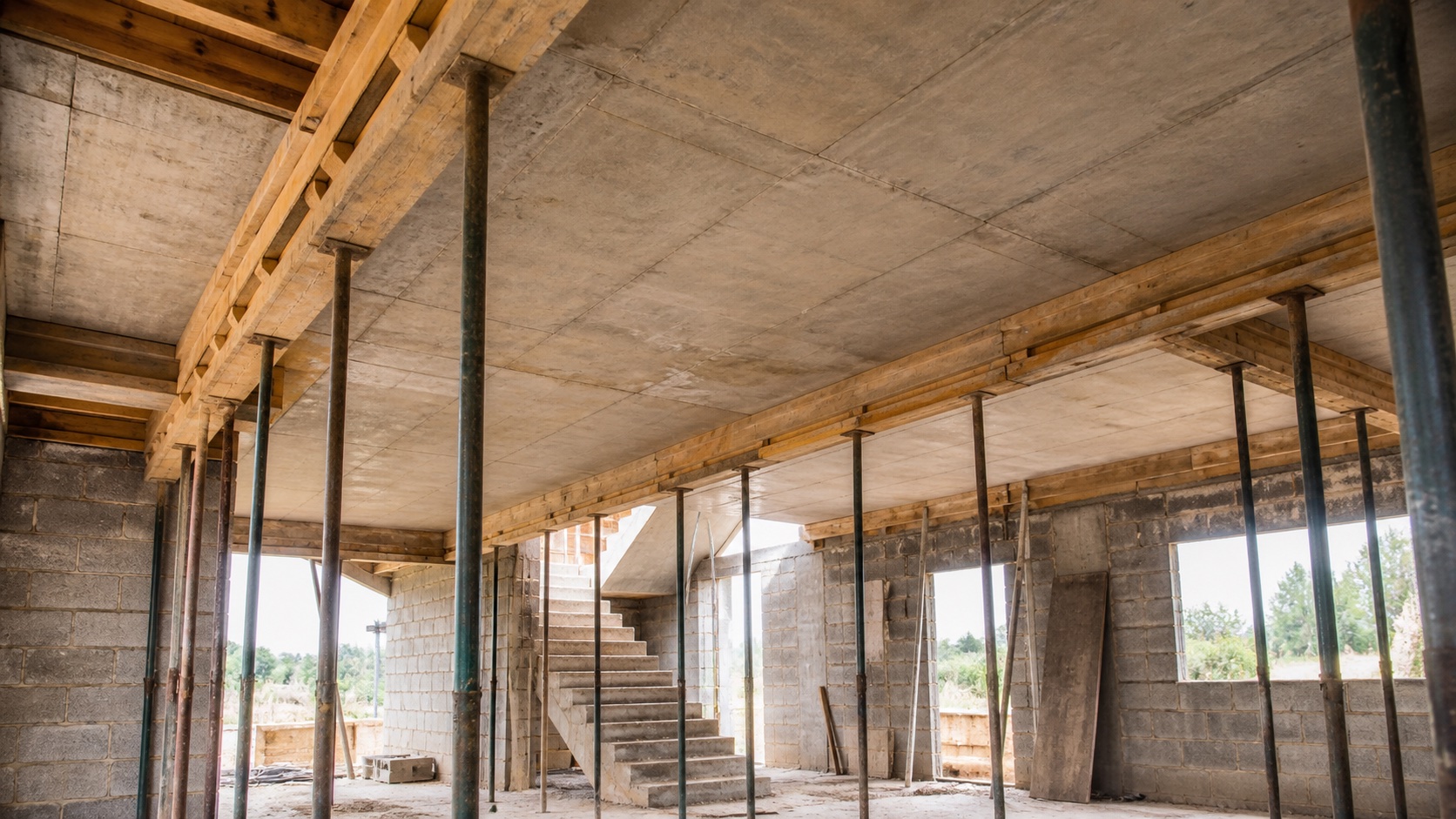
Suspended slabs: solid, ribbed or precast
The first floor of a maisonette is the single most expensive structural element in the house, and there are three ways to build it. A solid slab is simplest and heaviest. A ribbed slab uses less concrete and reaches further. Precast is fastest and needs the least propping. Which one suits a house depends on the spans, the number of floors and how much timber for formwork the site can support, and the choice changes the cost of the columns and foundations below it as well.
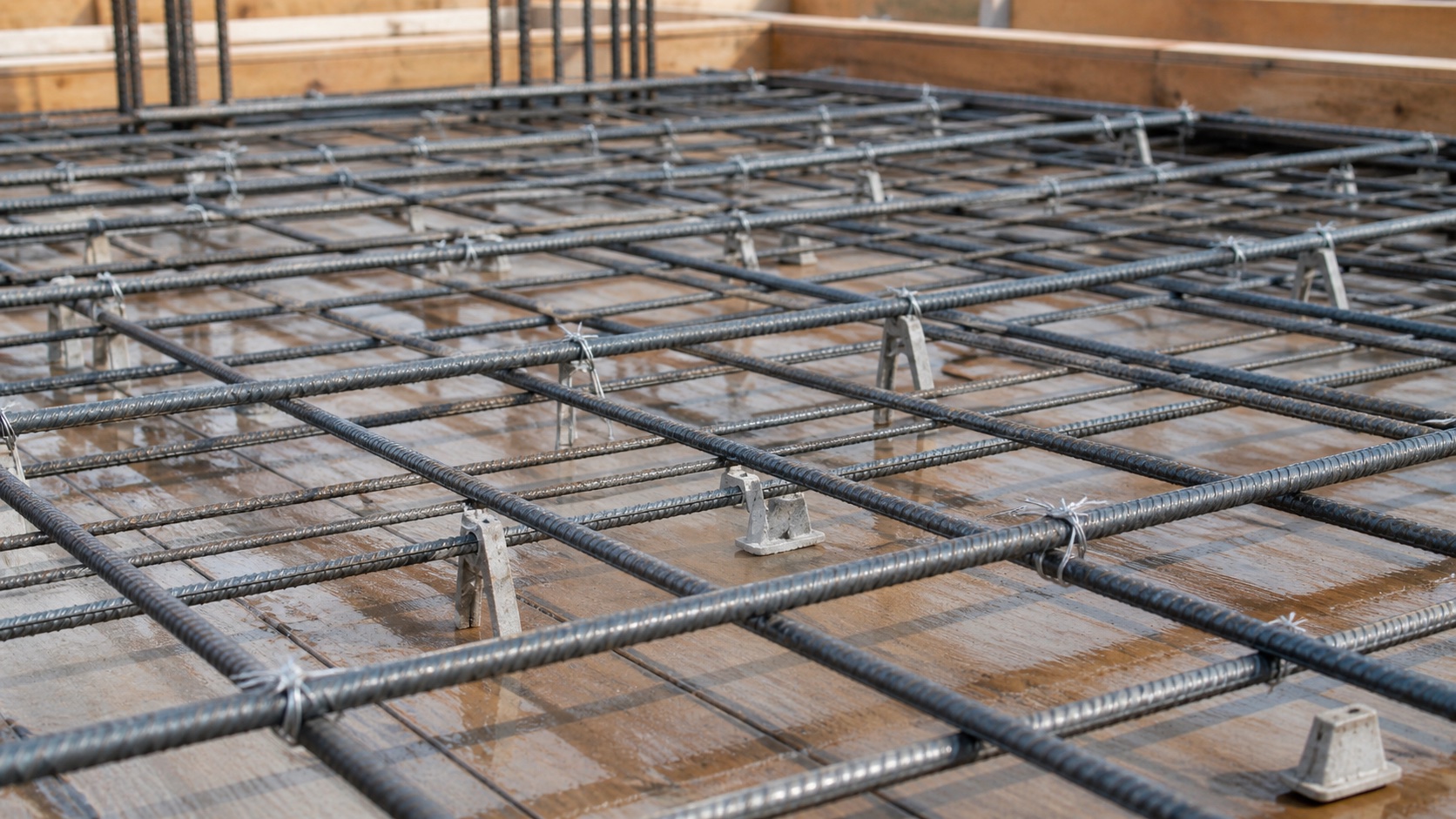
Reinforcement that survives the site
Reinforced concrete works because the steel is in exactly the right place. Move it, shorten it, or leave it too close to the surface and the element does not become slightly weaker, it can stop working the way it was designed to. Almost all of the reinforcement problems worth worrying about on a Kenyan house come down to six things, and all six are visible to anyone standing at the edge of the pour before the concrete goes in.
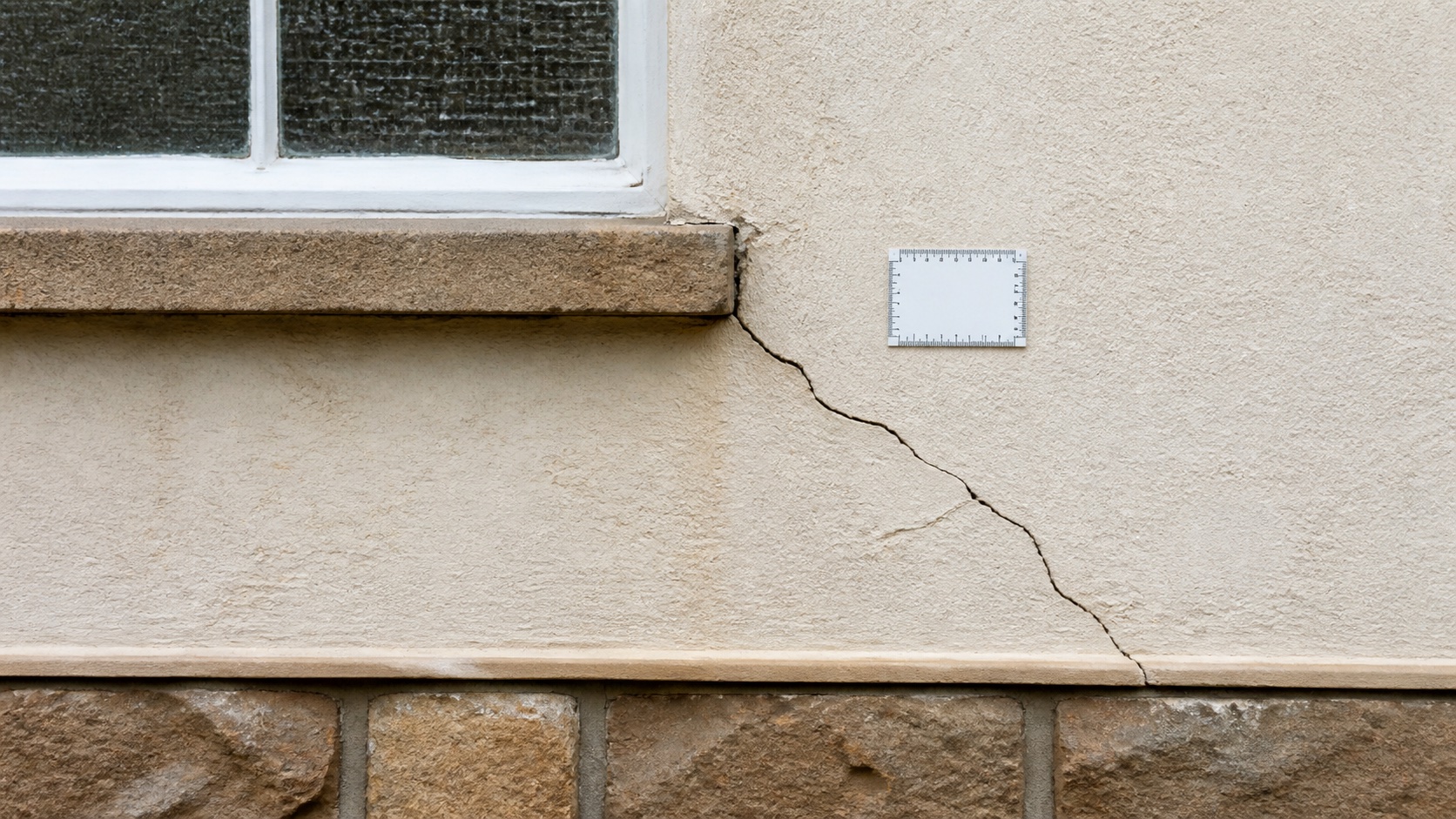
Reading the cracks in a house
Most cracks in a Kenyan house are harmless. A small number are not, and the difference is usually readable from the crack itself. Direction, width, whether it tapers, where it starts and whether it passes through a structural element are what separate a plaster crack from a foundation problem. The most useful thing you can do with any crack is date it, measure it and watch it, because a crack that has stopped moving is a very different problem from one that has not.
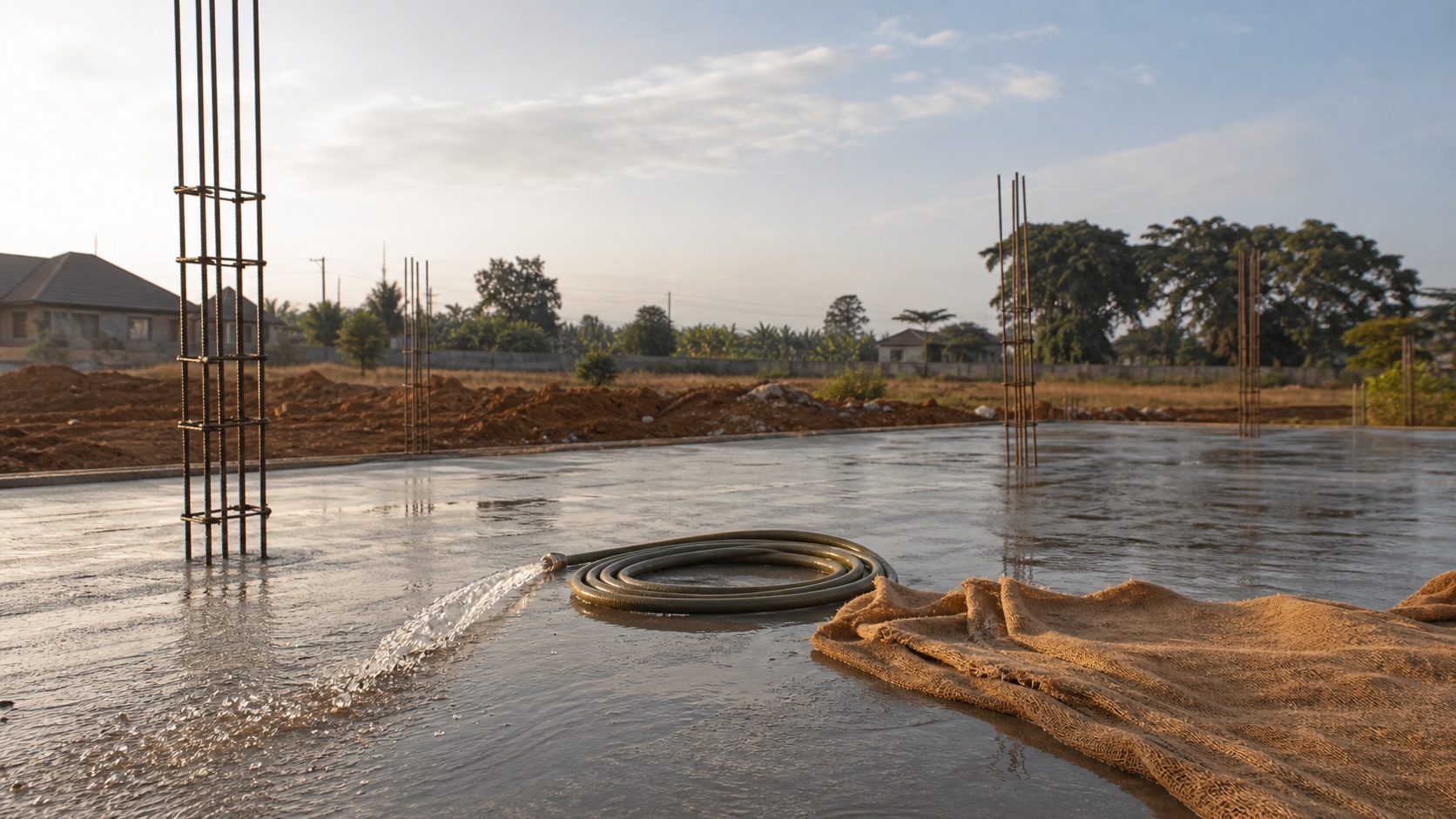
Concrete that actually reaches its strength
Concrete on a Kenyan site routinely reaches half the strength it was designed for, and almost always for the same reason: water added at the mixer to make it easier to place, then no curing. Neither costs anything to fix. Getting the water right and keeping the concrete wet for seven days is worth more than any change of cement brand or mix ratio.
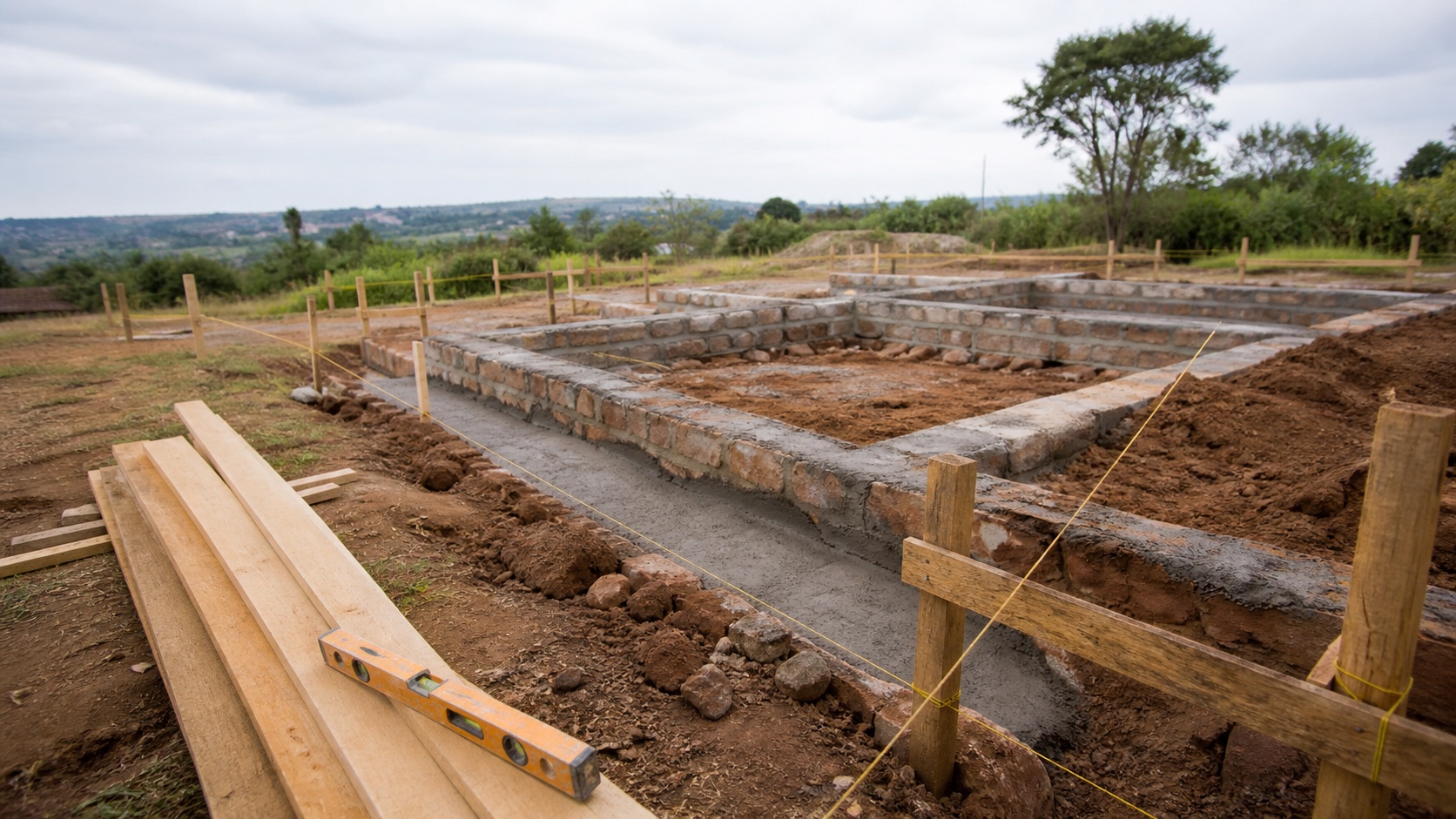
How to choose a foundation in Kenya
There are five foundation types in normal residential use in Kenya, and the choice between them is decided by six facts about your site rather than by preference or budget. Those facts are the soil, the depth to a stable stratum, the weight of the building, the slope, the water table and what is next door. Get them first and the foundation type usually chooses itself. Choose the foundation first and you are guessing.
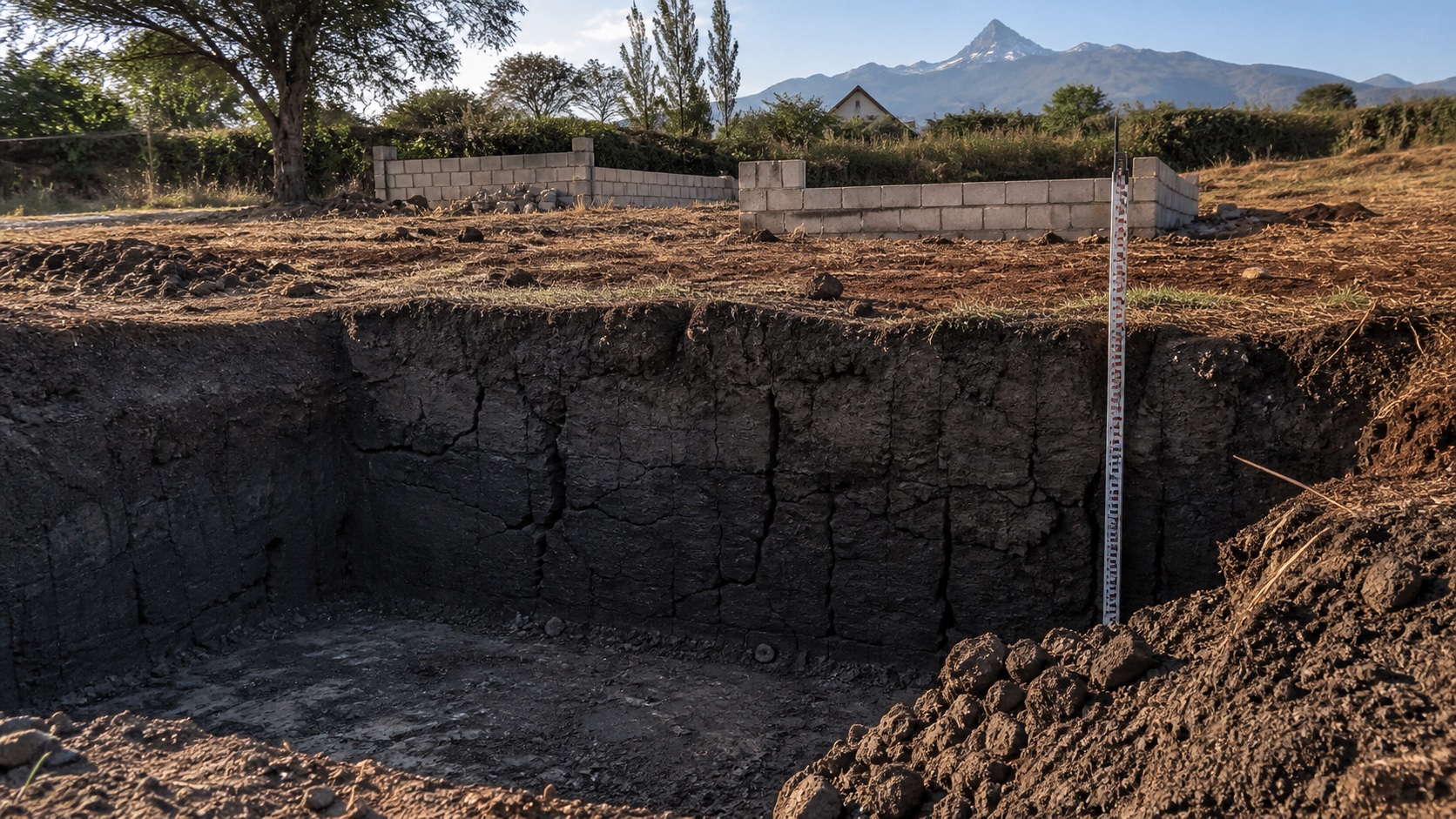
Building on black cotton soil in Kenya
Black cotton soil swells when it gets wet and shrinks when it dries, and it can move 50mm or more vertically through the seasons. It does not fail by settling under load, it fails by lifting unevenly, which is why houses on it crack in a pattern nobody expects. It is entirely buildable, but only if the foundation either sits below the layer that moves, or is stiff enough to ride over it, or is separated from it. Which of those three you choose depends on the depth of the soil and the weight of the building, and the only way to know that is to dig trial pits and test.
Who writes these
Everything here is written by someone who does the work, and every article carries their name. Structural guidance comes from our own structural engineer, who designs the foundations and slabs on our sites and stamps the drawings that go to the county.
Have a question none of these answer?
Send it to us. If it is a good question we will probably write it up, and either way you get an answer.